DIY wedding flowers versus professional florists cost and risks
Posted on 25/09/2026
Choosing your wedding flowers sounds simple until you start pricing buckets, ribbon, vases, fuel, storage space, and the very real panic of trying to arrange stems at 10pm the night before the ceremony. That is where the decision between DIY wedding flowers versus professional florists cost and risks gets interesting. It is not just about whether you can save money. It is about time, stress, reliability, and how much room you want for things to go wrong on a day that already has plenty of moving parts.
Some couples genuinely enjoy the hands-on route. Others would rather hand everything to an experienced florist and sleep properly for the week before the wedding. Both choices can work. The trick is knowing what you are actually paying for, what can quietly add up, and where the risks sit. Let's break it down properly, without the fluff.
Table of Contents
- Why DIY wedding flowers versus professional florists cost and risks matters
- How DIY wedding flowers versus professional florists cost and risks works
- Key benefits and practical advantages
- Who this is for and when it makes sense
- Step-by-step guidance
- Expert tips for better results
- Common mistakes to avoid
- Tools, resources and recommendations
- Law, compliance, standards, or best practice
- Options, methods, or comparison table
- Case study or real-world example
- Practical checklist
- Conclusion
- Frequently asked questions
Why DIY wedding flowers versus professional florists cost and risks Matters
Wedding flowers are one of those line items that can look optional on paper and feel essential the moment you see a bouquet in someone's hands. They shape the atmosphere, the photos, and even the way a room feels when guests walk in. A single floral choice can make a table look finished, soft, elegant, seasonal, or, if things go sideways, oddly underwhelming. No pressure then.
Cost matters because flowers are easy to underestimate. DIY often looks cheaper at first glance, especially if you compare only the price of stems against a florist invoice. But the real comparison includes tools, extras, delivery, replacement blooms, refrigeration, time, and the cost of mistakes. A professional florist, on the other hand, builds in labour, design, transport, and contingency planning. You are buying expertise as much as flowers.
The risk side matters just as much. Fresh flowers are living materials, not decor you can assemble weeks in advance and forget about. Heat, travel, poor hydration, and delayed setup can all change how they look by the time you walk down the aisle. In our experience, the difference between "it's fine" and "that looks amazing" often comes down to small technical choices people do not think about until the morning of the wedding.
And yes, some couples do pull off beautiful DIY arrangements. But the people who succeed usually have a realistic plan, enough help, and a calm place to work. If you are doing it in a kitchen with no spare fridge space and your cousin is already three coffees deep, the risks creep up fast.
How DIY wedding flowers versus professional florists cost and risks Works
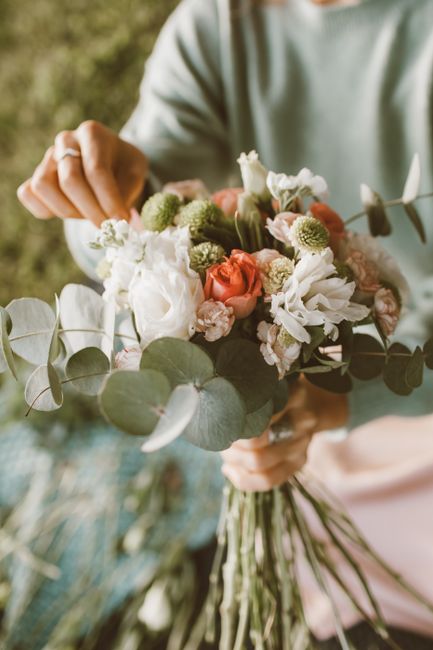
At the simplest level, DIY wedding flowers means you buy the flowers yourself and arrange them for the day. That might include bouquets, buttonholes, table flowers, ceremony pieces, flower crowns, or bud vases. You source the stems, sort the mechanics, cut and condition the flowers, and build each arrangement. Sometimes couples do all of this on their own; more often they rope in family members or bridesmaids. Brave move, to be fair.
Professional florists work differently. They usually start with a consultation, mood board, colour palette, or inspiration images. Then they select flowers suited to the season, size of the arrangements, venue layout, and your budget. They also plan for flower opening times, stem strength, hydration, transport, and installation. That is the bit people miss. Floristry is design, but it is also logistics.
Cost works differently in each model too:
- DIY costs usually include wholesale or retail flowers, conditioning materials, floral tape, wire, ribbon, foam or alternatives, vases, buckets, secateurs, and transport.
- Florist costs usually include design time, sourcing, conditioning, arranging, delivery, setup, breakdown if agreed, and the florist's expertise.
Risk also works differently. DIY risk tends to sit with the couple: wrong quantities, poor timing, flowers opening too early, and last-minute panic. Professional florist risk is lower for the couple, but you still need clear communication, a realistic brief, and a contract that states what is and is not included. A pretty bouquet is lovely. A bouquet that arrives on time, intact, and ready for photos is better.
Key Benefits and Practical Advantages
There are real advantages on both sides, which is why this decision is not always obvious.
DIY wedding flower advantages
- Lower direct spend if you already have tools, helpers, and a modest floral plan.
- More control over style, flower choice, and how much you use.
- Flexibility if you want simple arrangements, loose bouquets, or a rustic look.
- Personal involvement that can feel meaningful if flowers are part of your creative vision.
For smaller weddings, DIY can be surprisingly effective. A few tied bouquets, some simple table jars, and minimal ceremony flowers can look beautiful without becoming a second full-time job. If your taste leans natural and unfussy, DIY can absolutely suit the day.
Professional florist advantages
- Less stress because someone else handles sourcing, preparation, and timing.
- Better consistency across bouquets, corsages, centrepieces, and ceremony installs.
- Technical know-how with delicate flowers, colour balance, and seasonal substitutions.
- Venue-aware planning that takes layout, light, temperature, and installation access into account.
Professional florists also tend to save time in ways that are hard to quantify until you are in the middle of wedding week. One bride may spend three evenings striping leaves, recutting stems, and tying ribbons. Another spends that time actually sleeping. Hard to put a price on that, honestly.
Expert summary: DIY can lower the visible flower bill, but professional florists often reduce hidden costs, timing risk, and emotional load. The "cheaper" option is only cheaper if it works first time.
Who This Is For and When It Makes Sense
DIY wedding flowers tend to make sense when the floral plan is simple, the budget is tight, and you have enough hands on deck. Think small ceremony bouquets, basic table arrangements, or a venue that does not need large installations. It also suits couples who enjoy crafting, have a strong eye for style, and are comfortable with a bit of last-minute problem-solving.
A professional florist is usually the better fit if your wedding is larger, your flowers need to carry the whole room, or the styling is more refined. If you want cascading bridal bouquets, large ceremony arches, hanging installs, or a fully coordinated colour story, the risk of DIY rises quickly. You can do it. But the margin for error gets thinner.
It also comes down to temperament. Are you the kind of person who stays calm when tulips open too fast, or do you want to enjoy your morning without checking stems in the mirror? There is no wrong answer. Some couples are happy to take on the project; others know themselves well enough to say, "absolutely not, thank you." That self-awareness is useful, not defeatist.
Here is a very human rule of thumb: if flowers will feel like a lovely part of the wedding process, DIY may work. If they will feel like one more thing that could go wrong, hire the professional.
Step-by-Step Guidance
If you are weighing DIY against a florist, the smartest approach is to compare the full workflow, not just the final look.
- Define your floral priorities. Decide which items matter most. For many couples that is the bridal bouquet, ceremony focal point, and reception tables. Everything else can be scaled back.
- Set a realistic total budget. Include flowers, materials, transport, tools, backups, and delivery. A low flower quote is not the whole picture.
- Choose the level of complexity. Loose hand-tied bouquets are easier than wired bridal florals or large statement installs.
- Check the venue conditions. A hot room, long transport, or late afternoon setup can affect freshness. A cool, shaded venue makes life easier.
- Work backwards from the wedding day. Decide when flowers arrive, when they are conditioned, who assembles them, and who transports them.
- Build a backup plan. Have extra stems, spare ribbon, a second pair of secateurs, and one person who can step in if needed.
- Decide what can be simplified. If budget is tight, cut the number of arrangements before cutting quality.
If you are hiring a florist, ask for a breakdown of what is included. Delivery? Setup? Vase hire? Final placement at the venue? It sounds obvious, but this is where surprise costs often creep in. With DIY, the equivalent question is simpler: who is doing the work, and do they actually have the time?
One small but important tip: arrange a rough sample early. Even one prototype bouquet can tell you a lot about scale, stem count, and whether your idea is practical or a little too ambitious for a Thursday night in the kitchen.
Expert Tips for Better Results
Good wedding flowers are rarely the result of luck. They are the result of planning and a few boring details done well.
- Use seasonal flowers. They are usually easier to source, often fresher, and less likely to blow the budget.
- Keep the palette tight. Two or three main colours usually look more elegant than a dozen competing tones.
- Choose hardy blooms for DIY. Roses, carnations, chrysanthemums, alstroemeria, and some lilies are often more forgiving than ultra-delicate stems.
- Condition flowers properly. Fresh water, clean buckets, and trimmed stems make a bigger difference than people expect.
- Protect arrangements during transport. A carefully packed box beats an open car boot every time.
For professional florals, the best tip is to be specific but not controlling. Bring inspiration, yes, but allow the florist to suggest substitutes based on season and structure. A florist who understands your style can often get a better result than a rigid shopping list would allow.
And please, if you are doing DIY, do not leave ribbon, wire, and scissors until the last minute. That's the sort of thing that feels minor until 8:45pm and suddenly everyone is looking for florist tape like it has wandered off. It always does.
Common Mistakes to Avoid
This is where many couples lose money, time, or both.
- Underestimating quantities. A bouquet that looks full in your head may need far more stems than expected.
- Forgetting hidden materials. Ribbon, tape, pins, foam alternatives, water tubes, buckets, and vases all cost money.
- Ignoring time costs. DIY can save cash but take many hours, especially if you are arranging multiple pieces.
- Choosing flowers that are too fragile. Some blooms look stunning but are awkward if you do not have florist-level handling.
- Leaving assembly too late. Flowers need conditioning, not a rushed scramble before bed.
- Not planning transport. A car full of people and perfume is not the same as a flower-safe delivery setup.
For professional florist bookings, one common mistake is assuming every service is the same. Some florists provide design only; others do full installation and takedown. That difference matters. Another mistake is waiting too long, especially for popular wedding dates. Good suppliers get booked. Not always, but often enough that leaving it late becomes a gamble.
Truth be told, the biggest mistake is choosing based only on headline price. The cheapest option is not always cheap once stress and corrections are counted. And corrections on a wedding morning are no fun at all.
Tools, Resources and Recommendations
If you are leaning DIY, you will need more than flowers. A practical setup usually includes:
- sharp secateurs or floral scissors
- clean buckets or containers for conditioning
- floral tape and binding wire
- ribbon, pins, and finishing materials
- vases, jars, or stands for tables
- a cool storage area
- transport boxes or trays
It also helps to choose flowers that suit a beginner's workflow. If you are building a restrained, elegant look, you can use collections such as wedding bridal bouquets, wedding bridesmaid bouquets, and wedding buttonholes as a reference point for the style and scale you want to achieve.
If you are exploring the professional route, it can help to compare how a florist structures wedding ranges. Pages such as weddings, wedding table arrangements, and wedding corsages give you a sense of the kinds of pieces that may be included in a full wedding plan.
Some couples also like to browse broader collections for colour and mood ideas. A soft palette, for example, may be easier to manage than a mixed palette if you are doing things yourself. The point is not to copy a product page exactly. It is to understand what size, shape, and finish feels realistic for your day.
If you want freshness and presentation care to last, pay attention to flower handling and storage. A useful habit is to read any florist care guidance you are given and follow it closely. Simple things matter. Really simple things.
Law, Compliance, Standards, or Best Practice
For most weddings in the UK, flowers are not heavily regulated in the way food or venues might be, but there are still practical standards and responsibilities worth taking seriously.
If you are using a professional florist, you should expect clear terms on deposits, cancellations, substitutions, delivery windows, and what happens if a particular bloom is unavailable. That is not red tape for the sake of it. It protects both sides and avoids confusion when planning gets hectic.
If you are DIYing and hiring equipment, using a venue, or bringing in helpers, make sure you understand the venue's access rules. Some places require narrow delivery windows, certain setup times, or restrictions on open flames, floor protection, or adhesives. Historic buildings, churches, hotels, and barn venues can all have different expectations. It is worth asking early.
Health and safety matters too. Water spills, sharp tools, and crowded prep spaces can create avoidable hazards. Keep blades stored safely, clear the work surface, and do not leave stems, pins, or wire where people might step on them. Nothing dramatic, just sensible.
For sustainability, many couples now look for lower-waste choices such as reusable vessels, fewer foam-based mechanics, seasonal flowers, and local sourcing where possible. If this is important to you, ask your florist how they approach waste, packaging, and stem reuse. That conversation can be surprisingly helpful.
Best practice is simple: agree everything in writing, keep the plan realistic, and do not rely on memory alone. Wedding week has a habit of turning even sensible people into slightly frantic note searchers.
Options, Methods, or Comparison Table
Here is a practical comparison to help you think clearly about DIY wedding flowers versus professional florists cost and risks.
| Factor | DIY wedding flowers | Professional florist |
|---|---|---|
| Upfront cost | Often lower at first glance, especially for simple designs | Usually higher because labour, design, and logistics are included |
| Hidden costs | Can rise quickly with tools, delivery, waste, and extra stems | Fewer surprises if the quote is clear, though extras can still apply |
| Time required | High, especially in the final 48 hours | Low for the couple, since the florist manages the process |
| Risk of mistakes | Higher; freshness, quantities, and timing all sit with you | Lower; an experienced florist manages the technical side |
| Design consistency | Depends on skill and available help | Usually stronger and more polished |
| Stress level | Can be significant if anything slips | Usually lower, especially for larger weddings |
| Best for | Simple, small, budget-conscious weddings | Complex, high-stakes, or style-led weddings |
There is also a middle ground that works well for many couples: hybrid planning. You might hire a florist for the bridal bouquet, ceremony pieces, or key tables, then handle smaller items yourself. That can trim costs while keeping the most visible or risky work in expert hands. Quite a sensible compromise, really.
Case Study or Real-World Example
Imagine a couple planning a London wedding in late spring. They want a relaxed but polished look, with a bridal bouquet, two bridesmaid bouquets, buttonholes, and simple table arrangements. They start out thinking DIY will be the cheapest route, so they price flowers from different suppliers and estimate they can do everything in one evening.
Then the details arrive. They need buckets for conditioning, secateurs, ribbon, extra stems for mistakes, transport boxes, and a cool place to store everything. Their venue has a narrow setup window, and they realise the flowers would need to be arranged the night before, not casually "some time that week". Suddenly the time commitment feels much bigger.
They compare this with a professional florist quote. The florist includes consultation, sourcing, conditioning, bouquet design, delivery, and on-site setup for the larger pieces. The total is higher than raw stem cost, but the couple notices something important: the florist reduces their workload by several hours and removes the risk of last-minute arrangement panic. In the end, they choose a hybrid approach. The florist handles the bridal bouquet and ceremony florals, while the couple assembles a few simple bud vases for the tables.
That kind of decision is common. Not because people cannot DIY, but because once you map the whole job properly, the value of expert help becomes very clear. Sometimes the right answer is not "all one way." It is simply the calmest workable mix.
Practical Checklist
Use this checklist before you decide between DIY and a florist.
- Budget checked: Have you included flowers, materials, transport, and backup stock?
- Time checked: Who is doing the work, and when will it happen?
- Venue checked: Are there restrictions on access, setup time, or storage?
- Flower choice checked: Are your selected blooms suitable for your skill level and the season?
- Transport checked: Will flowers travel safely and stay cool enough?
- Help checked: Do you have reliable people to assist if needed?
- Backup checked: Do you have spare flowers, ribbon, and tools?
- Stress checked: Will this feel fun, or will it become a burden?
- Supplier checked: If hiring a florist, is the quote clear about what is included?
- Timeline checked: Does the plan give you room for delays or changes?
If you can answer those with confidence, you are in a much stronger position. If not, pause and simplify. That is usually where the real savings are.
Conclusion
When you compare DIY wedding flowers versus professional florists cost and risks properly, the decision becomes much clearer. DIY can save money on paper and give you more hands-on control, but it shifts the burden of planning, timing, and problem-solving onto you. A professional florist costs more upfront, yet often delivers calmer execution, better consistency, and far less risk on the day.
The right choice depends on your budget, your time, your comfort with practical detail, and how much importance you place on a flawless finish. For some couples, making the flowers themselves feels personal and rewarding. For others, handing it over is the best way to protect the joy of the day. Both are valid. What matters is choosing with open eyes, not wishful thinking.
Get a free quote today and see how much you can save.
Whatever you choose, give yourself permission to keep it simple where you can. Weddings have enough moving parts already, and the flowers should support the day, not take it over.
Frequently Asked Questions
Are DIY wedding flowers actually cheaper than hiring a florist?
They can be, but only if the design is simple and you already have some of the tools and help you need. Once you add buckets, ribbon, transport, storage, and extra stems for mistakes, the savings can shrink quickly. DIY is often cheaper in cash terms, but not always in time or stress.
What is the biggest risk with DIY wedding flowers?
The biggest risk is timing. Fresh flowers need conditioning, arranging, and safe transport, and all of that has to happen close to the wedding. If something is delayed, damaged, or underplanned, there is less room to recover than people expect.
Do professional florists cost more because of labour?
Yes, labour is a major part of the price. You are paying for design time, sourcing, conditioning, arranging, delivery, and often setup. That said, the labour is also what reduces the risk of mistakes and last-minute stress.
Which wedding flowers are easiest to DIY?
Simple hand-tied bouquets, bud vases, and small table arrangements are usually the most manageable. Hardy flowers such as roses, carnations, alstroemeria, and chrysanthemums are often easier for beginners than very delicate stems.
How far in advance should I decide between DIY and a florist?
As early as possible. Ideally, make the decision once you know your wedding budget and venue requirements. If you are hiring a florist, the earlier you book, the better your chances of securing your preferred date and style.
Can I mix DIY flowers with florist arrangements?
Yes, and for many couples it is the smartest approach. A florist can handle the high-impact or technically tricky items, while you take care of simpler pieces like table jars or small extras. It is a very sensible middle ground.
What hidden costs do people forget with DIY flowers?
Commonly forgotten costs include floral tape, wire, ribbon, scissors, vases, buckets, water tubes, delivery fuel, and extra flowers for breakage or last-minute fixes. If you do not budget for those, the numbers can be misleading.
Are there any venue issues I should check before DIYing flowers?
Yes. Check access times, storage space, setup windows, and whether the venue has any rules about installations or adhesives. Some venues are very flexible. Others are not, and you really want to know that before the week of the wedding.
How do I reduce risk if I still want to DIY?
Keep the design simple, use seasonal flowers, plan transport carefully, and arrange a trial run. Also, assign jobs clearly. If everybody thinks somebody else is bringing the scissors, that is the sort of thing that turns into a minor disaster.
Is a florist worth it for a small wedding?
Often yes, especially if the wedding is small but style-led. A small guest list does not always mean a small floral challenge. If you want the room to look polished and you do not want the hassle, a florist can be worth every penny.
What should I ask a florist before booking?
Ask what is included in the quote, whether delivery and setup are included, how substitutions are handled, and what happens if the guest count or schedule changes. Clear answers at the start save awkward conversations later.
Can wedding flowers survive warm weather if I DIY them?
They can, but you need to be careful. Keep them cool, hydrated, and out of direct sun for as long as possible. Warm weather raises the risk of wilting, especially with delicate flowers or long transport times.
What is the safest low-stress option overall?
For most couples, the safest low-stress option is hiring a florist for the most important flowers and keeping DIY to a minimum. It costs more, yes, but it usually protects the day from avoidable pressure. And honestly, a calm wedding morning is worth a lot.