Sustainable flower sourcing practices used by UK florists
Posted on 03/10/2026
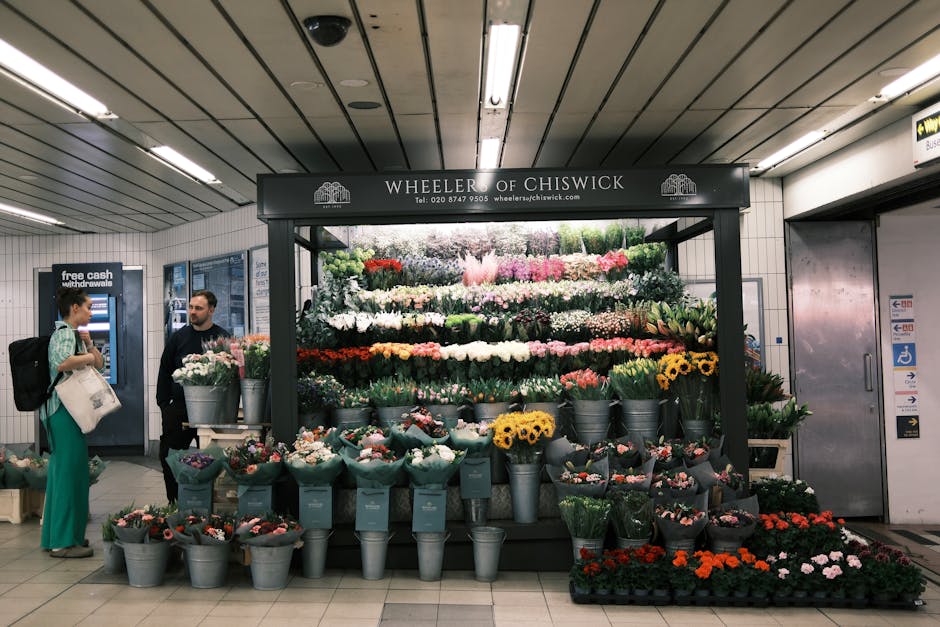
If you have ever admired a bouquet and quietly wondered where those stems came from, you are not alone. Sustainability in floristry is one of those topics that sounds broad at first, then gets real very quickly: seasonality, transport, packaging, waste, labour, traceability, and the simple question of whether a beautiful arrangement can also be a responsible one. The good news is yes, it can. Sustainable flower sourcing practices used by UK florists are already shaping how shops buy, design, and deliver flowers across the country, from local market counters to busy studios handling everyday orders and wedding work.
This guide explains what sustainable sourcing actually looks like in practice, why it matters, how florists make better choices without losing creativity, and what to look for if you are comparing suppliers or choosing a florist yourself. A bit of honesty goes a long way here: there is no perfect bouquet. But there are much better decisions, and the difference is often more practical than you might think.
Whether you are a florist, a business buyer, or simply someone who wants to send flowers with a clearer conscience, this article will help you understand the moving parts. And there are quite a few moving parts, to be fair.
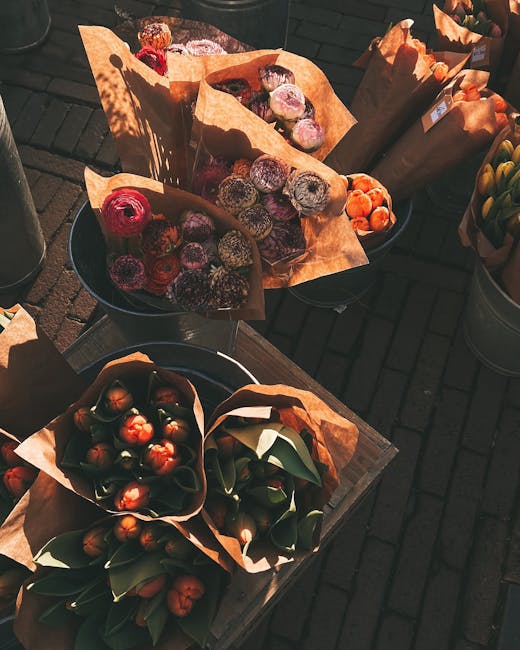
Table of Contents
- Why sustainable sourcing matters
- How sustainable flower sourcing works
- Key benefits and practical advantages
- Who this is for and when it makes sense
- Step-by-step guidance
- Expert tips for better results
- Common mistakes to avoid
- Tools, resources and recommendations
- Law, compliance, standards, or best practice
- Options, methods, or comparison table
- Case study or real-world example
- Practical checklist
- Conclusion
- Frequently asked questions
Why Sustainable flower sourcing practices used by UK florists Matters
Flowers are emotional products. They mark birthdays, apologies, weddings, funerals, and the tiny unplanned moments where you just want to make someone's day. That emotional weight is exactly why sourcing matters. People expect flowers to feel fresh, thoughtful, and tasteful, but they also increasingly expect them to be responsibly chosen.
Sustainable sourcing matters because flowers sit inside a complicated supply chain. Some blooms are grown close to home; others travel a long way before reaching a shop in London or elsewhere in the UK. Along the way, there can be cold storage, packaging, water use, labour concerns, waste from unsold stock, and design choices that either reduce or increase environmental impact. You do not have to be an environmental policy expert to see the issue. If the product is beautiful but the backstory is wasteful, customers notice.
For UK florists, sustainability is also a practical business issue. Seasonal buying can be more predictable. Better stock planning can reduce losses. Smarter packaging can cut costs. Customers often feel more confident buying from a florist who can explain where flowers come from and why they were chosen. That trust counts. Especially now, when so many buyers do a quick check before they commit.
There is also a local angle. UK florists often balance imported stems with British-grown flowers, seasonal foliage, and locally arranged bouquets. That blend gives flexibility while keeping more of the value chain visible. In a city like London, where delivery speed matters and customers expect style as well as ethics, sustainability is less of a niche add-on and more of a sensible operating model.
Expert takeaway: sustainable flower sourcing is not about saying "no" to every imported flower. It is about choosing the right flowers, from the right sources, in the right quantities, with the least unnecessary waste.
How Sustainable flower sourcing practices used by UK florists Works
In practice, sustainable sourcing is a chain of decisions rather than a single rule. A florist starts by asking what flowers are needed, for when, and for what purpose. A wedding centrepiece, a sympathy tribute, and a same-day birthday bouquet each call for a different approach. The sourcing method should fit the occasion, the season, and the customer's expectations.
1. Seasonal selection comes first
Seasonal flowers usually travel less, need less intervention to grow, and are often better value. A florist who works with the seasons can build more natural-looking designs and avoid the over-processed, over-flown look that can come from forcing out-of-season stems into service. Think of spring narcissi, summer garden roses, autumn textures, and winter foliage. They do a lot of the heavy lifting.
2. Local and UK-grown flowers are used where possible
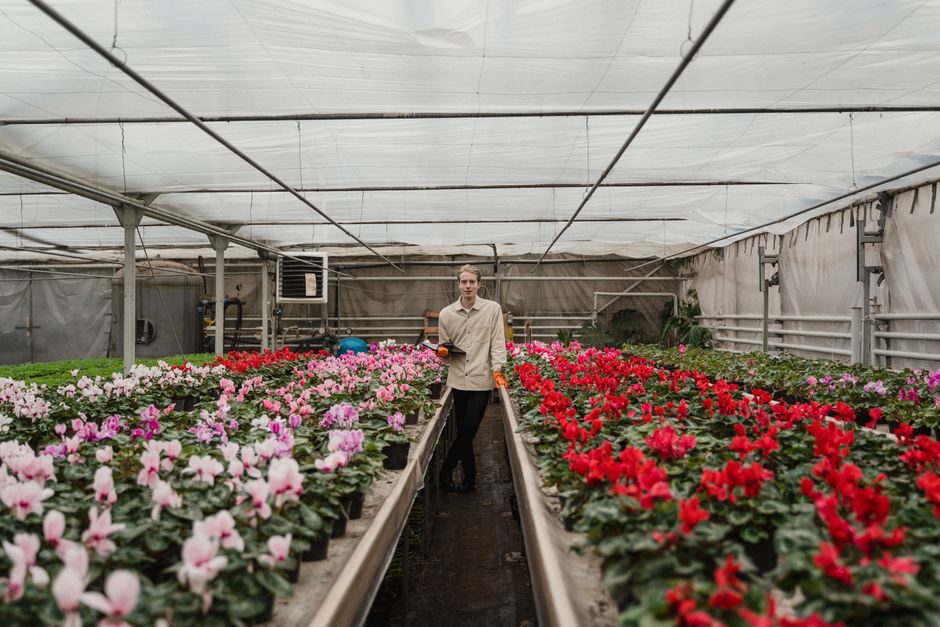
Many UK florists work with British growers for at least part of their range. This may include seasonal cut flowers, foliage, herbs, branches, and structural stems. Local sourcing can also support faster turnaround, which helps when a customer needs flowers for today rather than next week. If you are shopping for flowers in Wapping or nearby, a florist with local delivery and a mixed sourcing model can often balance speed with better sourcing choices. For example, a bouquet chosen from a broader all flowers range may use locally appropriate stems alongside imported varieties where needed.
3. Imports are chosen more carefully
Some flowers simply are not readily available in the UK year-round. Sustainability does not mean pretending otherwise. It means importing only when necessary, preferring reliable supply chains, avoiding rush freight where possible, and understanding the trade-off between demand, seasonality, and emissions. A rose in February may be meaningful, but it may also carry a different environmental cost than a rose in June.
4. Waste is managed at every stage
Waste is one of the quietest parts of the conversation, and one of the biggest. Florists reduce it by buying sensible volumes, using "florist's choice" designs that let them work with available stock, and creating arrangements that can share stems across multiple orders. Unsold flowers can sometimes be repurposed into value-led lines, sympathy work, or mixed seasonal bunches. Not glamorous, perhaps. But very effective.
5. Packaging and delivery are considered together
It is no use buying better flowers if the packaging is excessive or the delivery process creates avoidable waste. Sustainable florists tend to minimise plastic, use reusable or recyclable materials where practical, and streamline delivery routes. A well-planned local route around East London can save more than a last-minute dash across the city with half the bouquet in the van and the other half in a panic. We have all seen that sort of day.
6. Traceability and supplier trust matter
Florists do not need to know every detail of every stem, but they should understand enough about their suppliers to make informed decisions. That includes where flowers are grown, how they are transported, whether labour standards are addressed, and whether the supplier can support consistent quality. Traceability is not flashy, but it builds confidence.
Key Benefits and Practical Advantages
Sustainable sourcing is often framed as a moral choice, and it is. But the practical benefits are just as persuasive.
- Better freshness: shorter journeys and stronger seasonal alignment can improve vase life and presentation.
- Less waste: better forecasting and more flexible designs mean fewer unsold stems end up discarded.
- Stronger customer trust: buyers increasingly appreciate honesty about what is local, seasonal, or imported.
- Clearer brand identity: sustainability gives a florist a coherent story instead of a vague "eco" label slapped on the side.
- Improved margins in some ranges: using seasonal flowers and mixed stems can lower avoidable cost pressure.
- More design variety over time: working with the seasons pushes creativity in a good way, not a gimmicky way.
There is another advantage people sometimes miss: sustainability can make a florist easier to work with. Corporate clients, wedding couples, and event planners tend to ask better questions now. They want to know whether arrangements can be adapted, how far flowers have travelled, and whether there are low-waste options. If you can answer calmly and clearly, that is a real business strength.
Truth be told, customers do not always say "I need sustainable sourcing." Sometimes they say, "Can you do something lovely, but not too wasteful?" Same intent, different wording.
Who This Is For and When It Makes Sense
This approach makes sense for several types of buyers and florists, and the reasons are not all the same.
Independent florists
Smaller shops often benefit most from sourcing discipline because they feel waste quickly. A few bruised stems or a mismatched delivery can hurt margins. Sustainable sourcing helps independents build ranges around availability rather than chasing every trend that passes through social media at 11pm.
Wedding florists
Weddings are a big one. Couples often want seasonal style, a strong aesthetic, and some reassurance that the day has not created unnecessary waste. Sustainable sourcing can support reusable containers, better pre-order planning, and arrangements that feel more intentional. If you are browsing ideas, wedding-focused collections such as weddings and wedding bridal bouquets show how a florist can plan around occasion-specific needs without losing sight of design.
Funeral and sympathy work
At first glance, sustainability may seem less central here, but it still matters. Families often want dignified, tasteful arrangements that do not feel excessive. Thoughtful sourcing can reduce waste and allow florists to recommend forms such as sprays, wreaths, and baskets that suit the occasion while using stems efficiently. For example, funerals and sympathy products can be designed with both care and restraint.
Corporate buyers
Offices, reception spaces, and event teams increasingly want predictable service with a more responsible footprint. That can mean regular fresh flowers, but with seasonal rotation, reusable vases, or subscription models that reduce single-use waste. The corporate accounts route can be particularly useful where regular supply and account management matter.
Everyday gift buyers
If someone is sending flowers for a birthday, thank you, get well, or "just because", they may not need the whole sustainability lecture. Fair enough. They do, however, often appreciate a florist who offers well-chosen seasonal bouquets and transparent product descriptions. That is where ranges like birthday, thank you, or get well can help a florist meet demand without overcomplicating the order.
Step-by-Step Guidance
Here is a sensible way to build or assess sustainable flower sourcing practices used by UK florists. No drama. Just a proper method.
- Start with the occasion. Ask who the flowers are for, how soon they are needed, and what mood they should create. A same-day birthday bunch and a wedding arch are not the same sourcing brief, obviously.
- Choose seasonal stems first. Build the design around what is naturally at its best. This usually improves quality and reduces pressure on supply.
- Mix local, UK-grown, and imported flowers thoughtfully. Use local or British-grown flowers where they suit the brief, then add imported stems only where they genuinely improve the design or fulfil a customer request.
- Plan quantities carefully. Better forecasting means fewer leftovers. This is one of those unglamorous tasks that makes a real difference.
- Favour flexible design frameworks. "Florist's choice" style ordering can reduce waste because the florist works with what is freshest. That is especially useful for seasonal or budget-led orders such as florist choice and budget.
- Reduce packaging to what is necessary. Protect stems and presentation, yes. Wrap everything like a parcel from space, no.
- Review transport and delivery routes. Local delivery planning can reduce emissions and improve arrival condition. A florist doing frequent local drops can often combine orders more efficiently than a scattered one-off approach.
- Track what sells and what fails. Keep note of which stems hold up, which designs are best received, and where waste happens. Simple records are often enough.
- Tell the customer the truth clearly. If a bouquet is seasonal, say so. If a stem was imported because it was the right choice for the occasion, say that too. Customers usually prefer honesty over vague eco language.
A tiny but useful detail: keep a "seasonal substitutes" mindset. If one flower is unavailable, having a sensible replacement ready can save the day and keep the design aligned with your sustainability goals. Sounds obvious. It often gets missed.
Expert Tips for Better Results
These are the habits that tend to separate a decent sustainable setup from a genuinely strong one.
Build around texture, not just headline blooms
People often focus on roses, lilies, or orchids and forget that foliage, filler, and texture can do a lot of work. Sustainable designs benefit from stems that support structure and fullness without relying on only the most resource-heavy flowers. A mixed bouquet can look richer, not poorer, when it is balanced properly.
Offer seasonal substitutions as a feature, not a compromise
This is one of the best sales habits. Rather than apologising for not having a specific stem, explain that you are using the best of what is in season. Customers are usually happy when the result looks fresh and thoughtful. They tend to notice the finish more than the label.
Use product ranges that can absorb variability
Some flower categories are naturally better for sustainable sourcing because they give the florist room to work. Mixed bouquets, florist's choice lines, and occasion-led designs can all adapt to stock conditions. That flexibility is worth its weight in gold when supply fluctuates.
Keep packaging honest
Sometimes "eco-friendly" packaging is more marketing than substance. A better habit is to use the least packaging needed to protect the flowers and then choose materials that suit your waste collection and recycling setup. Practical over poetic. Usually best.
Design for transport as well as display
Flowers that are beautiful in the bucket but fragile in the van create unnecessary loss. Florists who think about the journey from the start, especially for local delivery windows, usually end up with fewer damaged stems and happier recipients.
Talk about sustainability in simple language
Many customers do not want a lecture. They want a bouquet, a straight answer, and a little reassurance. Try plain language: "We use seasonal flowers where possible", "We source locally when we can", or "We reduce waste by building around fresh stock." Easy to understand. Easy to trust.
Common Mistakes to Avoid
Even well-meaning florists can get this wrong. Most mistakes are avoidable once you know what to look for.
- Buying too far ahead without accurate forecasts. Over-ordering creates waste fast.
- Assuming every imported flower is bad. It is more nuanced than that. Sometimes the right import is still the right choice.
- Using "green" language without substance. Customers spot vague claims. Maybe not immediately, but they do notice.
- Ignoring packaging waste. A sustainable bouquet wrapped in layers of unnecessary material is a mixed message.
- Forgetting seasonal education. Staff need to know why the range changes, especially when a popular stem is not available.
- Prioritising trend over durability. A fragile design that collapses in transit is not sustainable in any real sense.
- Not asking suppliers the awkward questions. How are stems transported? What is the likely shelf life? Where is the product grown? The awkward questions are often the useful ones.
One mistake I see too often is pretending sustainability can be solved by a single initiative. It cannot. It is a string of decent choices, stacked together. That is the whole game.
Tools, Resources and Recommendations
You do not need a giant system to improve sourcing. In fact, smaller and simpler often works better.
Planning tools
A straightforward stock planner, even if it is just a shared spreadsheet, can help track seasonal demand, waste, and repeat orders. If you know that pink gift bouquets move faster on Fridays or that tribute work peaks at certain times, you can buy more accurately.
Product categories that support flexibility
Ranges such as florist choice sympathy basket, best sellers, and any occasion are useful because they let the florist work with current stock while still meeting customer needs. That flexibility can reduce waste and protect quality.
Seasonal range planning
Using season-led collections such as summer, autumn, and christmas can make sourcing more predictable. It also gives customers a clearer idea of what to expect at different points in the year.
Supplier conversations
Even without formal certification, good supplier conversations are invaluable. Ask about origin, freshness, transport method, and substitution options. A useful supplier should be able to answer in plain English without turning the exchange into a maze of jargon.
Customer-facing wording
If you are a florist, small website notes can do a lot of work. Mention seasonal availability, flexible design, and your preference for reduced-waste sourcing. Customers appreciate clarity, especially when ordering for a specific date or moment.
Law, Compliance, Standards, or Best Practice
On the UK side, it is sensible to think of sustainability as a best-practice area rather than a single legal checklist. There are broad duties around fair trading, product descriptions, employment practices, waste handling, and responsible business conduct. Exact obligations will vary depending on how a florist is set up, where it operates, and what it sells.
For example, if a florist makes environmental claims, those claims should be accurate and not exaggerated. "Eco-friendly" is a broad phrase and should be used carefully unless it can be supported in a meaningful way. Clearer wording is usually better: seasonal flowers, lower-waste design, recycled or recyclable packaging where practical, local delivery optimisation, or responsible sourcing where verified by the supplier.
Florists should also handle waste responsibly, store flowers safely, and manage any staff or contractor arrangements in line with the usual UK employment and business norms. If a business offers delivery, then the delivery promise should be realistic and consistent with the service actually provided. That matters for trust just as much as the flowers themselves.
For ethical sourcing, many florists also pay attention to supplier transparency, labour conditions, and modern slavery risk in supply chains. A formal statement may apply to some larger businesses, while smaller businesses may still choose to adopt the same principles as good practice. It is one of those areas where doing the decent thing is both sensible and reputationally smart.
Options, Methods, or Comparison Table
Different sourcing models suit different florists. Here is a simple comparison to help make the trade-offs clearer.
| Method | What it looks like | Strengths | Trade-offs |
|---|---|---|---|
| Seasonal local sourcing | Using UK-grown flowers and foliage where possible | Lower transport impact, fresher feel, strong seasonal identity | Limited year-round variety, weather-dependent supply |
| Mixed sourcing | Local stems combined with selected imports | Flexible, broader design choice, easier to meet customer requests | Needs careful planning to avoid waste and vague claims |
| Import-led sourcing | Heavier reliance on international supply | Wide variety, consistent availability for some blooms | Higher transport footprint, greater exposure to disruption |
| Florist's choice model | Florist designs with fresh stock available on the day | Very efficient, less waste, often best value | Less exact control for the customer |
For many UK florists, the mixed sourcing model is the most realistic. It lets them protect creativity while still being sensible about seasonality and waste. The trick is not to treat it as a compromise. Done well, it is the sweet spot.
Case Study or Real-World Example
Imagine a small florist in East London preparing for a busy week with birthdays, a funeral order, and two wedding consultations. The shop has a mix of British-grown seasonal stems, some imported focal flowers, and a limited amount of premium stock. Instead of building every bouquet from the same popular stems, the florist groups orders by purpose.
Birthday arrangements are offered as seasonal mixed designs, with a choice of colour style rather than a fixed flower list. Funeral tributes are planned with more structured shapes and carefully chosen stems that hold up well and feel appropriate. For weddings, the florist suggests a seasonal palette and points the couple toward flowers that are naturally in better condition that month, rather than promising out-of-season blooms with a lot of transport behind them.
What happens next is fairly ordinary, which is exactly the point. Less waste. Better freshness. Fewer last-minute substitutions. The florist spends less time rescuing weak stock and more time designing well. Customers get honest expectations and good flowers. Not bad for a few small changes, really.
And yes, there is still the occasional awkward stem that looks lovely in the bucket and sulks in the bouquet. That is floristry for you.
Practical Checklist
Use this checklist when reviewing sustainable sourcing choices or briefing a florist.
- Have you started with the occasion and date, rather than the flower first?
- Are seasonal flowers being used where they fit the brief?
- Is there a clear mix of local, UK-grown, and imported stems, rather than blanket sourcing?
- Has the florist explained any substitutions plainly?
- Are packaging materials kept to a sensible minimum?
- Is delivery being planned to reduce unnecessary miles or repeated trips?
- Are flexible ranges such as florist's choice available for faster, lower-waste ordering?
- Does the product description avoid vague green claims?
- Can the florist explain where their flowers come from in simple terms?
- Are flowers being chosen for durability as well as appearance?
If you can tick most of those boxes, you are already in a much better place than a shop that treats sustainability as a slogan. Small improvements add up quickly.
Get a free quote today and see how much you can save.
Conclusion
Sustainable flower sourcing practices used by UK florists are really about good judgement. Choose seasonal flowers where you can. Use local and UK-grown stems when they suit the brief. Import with care, not habit. Reduce waste. Keep packaging sensible. Be honest with customers. That combination is practical, credible, and surprisingly good for business.
There is no need to make sustainability sound difficult or worthy. In floristry, the best approach is often the calm one: know your stock, respect the season, and design with intention. If you do that well, the flowers tend to speak for themselves. And they usually say the right thing.
It is a gentle kind of progress, really. The sort that lasts.
Frequently Asked Questions
What are sustainable flower sourcing practices used by UK florists?
They are the buying, planning, and delivery methods florists use to reduce waste and environmental impact while still creating beautiful arrangements. That usually includes seasonal flowers, local or UK-grown stems where possible, careful use of imports, better packaging choices, and smarter stock planning.
Are locally grown flowers always more sustainable?
Not always, although they are often a strong choice. Local flowers can reduce transport and support nearby growers, but the full picture also depends on growing methods, seasonality, and whether the florist can use the flowers efficiently without waste.
Do sustainable florists avoid imported flowers completely?
No. Many UK florists use a mix of local and imported flowers. Sustainability is usually about using imports thoughtfully and only when they add real value to quality, seasonality, or design.
How do florists reduce waste when buying flowers?
They forecast more carefully, buy smaller or more flexible quantities, use seasonal ranges, and offer florist's choice designs so they can work with fresh stock on hand. Good waste control often starts with simple planning, not clever tricks.
What should I ask a florist if I want a more sustainable bouquet?
Ask what is in season, which flowers are locally sourced, whether they can suggest a lower-waste design, and how they handle packaging. A good florist should answer clearly and without sounding defensive.
Are seasonal bouquets cheaper?
They can be, but not always. Seasonal flowers are often better value because they are more readily available, though the final price still depends on flower type, volume, design style, and delivery requirements.
What is a florist's choice bouquet?
It is a bouquet where the florist chooses the flowers based on what is freshest and most suitable at the time. This can be a very sustainable option because it lets the florist reduce waste and use the best available stems.
How do sustainable florists handle packaging?
They usually keep packaging to a minimum and choose materials that protect the flowers without creating unnecessary waste. In practice, that may mean reducing plastic, choosing recyclable materials where practical, and avoiding over-wrapping.
Can sustainable sourcing work for weddings and events?
Yes, very well. Weddings and events often benefit from seasonal planning, reusable containers, and flexible design choices. It can also help couples and planners stay on budget without losing visual impact.
What is the biggest mistake florists make with sustainability?
Probably treating it as a single label instead of a set of everyday decisions. Real sustainability is built through sourcing, waste control, packaging, delivery, and honest communication. Miss one of those areas and the whole thing weakens a bit.
Is sustainable flower sourcing only for premium florists?
No. It is useful for budget bouquets, everyday gifting, sympathy work, weddings, and corporate accounts alike. In many cases, it simply means working more intelligently with the supply you already need.
How can I tell if a florist's sustainability claims are genuine?
Look for specific, plain-language details. Genuine claims tend to mention seasonality, local sourcing, waste reduction, packaging, or responsible delivery practices. Vague phrases like "100% eco" without explanation are worth questioning.